Core Comparison Between High-Quality and Low-Quality Material Handling Vehicles
Transporters are the core tools for storage and short distance transportation in workshops. There is a huge gap between high-quality and low-quality models in terms of material, performance, safety, and usage costs, which directly affects operational efficiency and personnel safety. The following is a simplified comparison of core dimensions and a reference for quick selection.
In terms of material and craftsmanship, the main beam of the high-quality transport vehicle is made of thickened steel, which is stamped and formed as a whole. The robot welding seam is full, and after triple rust prevention treatment, it is not easy to rust or deform; The oil cylinder is a cast steel integrated model, precision polished with imported sealing rings, and has no leakage. The inferior version uses thin carbon steel splicing, with a lot of manual virtual welding, and simple painting is prone to paint peeling and rusting; The oil cylinder is welded with iron sheet, the sealing ring is cheap, and it is prone to oil leakage and jamming.
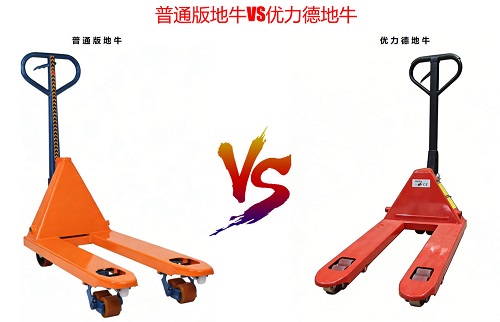
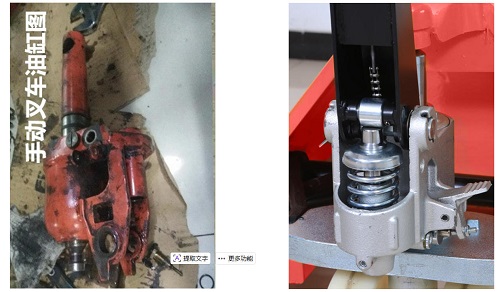
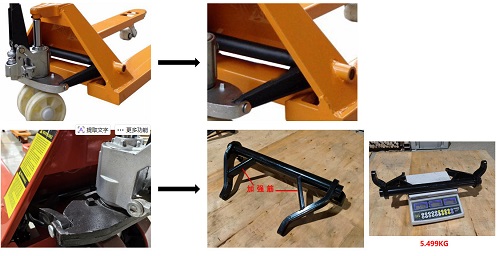
In terms of performance experience, the high-quality model has a rated load capacity that meets the standard. The hydraulic lifting can be easily stepped on and lifted, and the light release is controllable. The wheels are made of high-density raw materials, and the bearings are precise. A single person can easily push heavy loads, and the turning is flexible and noise free. Poor quality models are commonly marked with heavy and false labels, requiring heavy stepping and prone to sudden drops during lifting and lowering. The wheels are made of recycled materials and are prone to cracking, bearings are stuck, and the pushing force is laborious and the abnormal noise is harsh, resulting in extremely low work efficiency.
In terms of safety and durability, high-quality models come standard with overload protection, anti slip forks, and hydraulic anti fall devices. The entire machine has a lifespan of 3-5 years, with very few malfunctions and low annual maintenance costs. Poor quality models have no safety protection, are prone to deformation and breakage when overloaded, and the forks are prone to slipping. The overall lifespan of the machine is only 3-6 months, and frequent malfunctions such as oil leakage and wheel jamming can easily lead to safety accidents.
In terms of overall cost, the purchase price of high-quality products is slightly higher, but there are no hidden costs in the long run, and the residual value rate is high; Poor quality products are tempting at low prices, but they require frequent maintenance and are prone to delays in construction and damage to goods, with overall costs far exceeding those of high-quality products.
Avoiding pitfalls in purchasing: Refuse products that are 30% lower than the market price, conduct on-site testing of lifting, pushing, and load-bearing, identify high-quality products with brand logos and sufficient testing reports, and avoid low-priced products.