The Difference Between Electric Hydraulic Hand Trucks and Manual Hand Trucks
All are commonly used handling equipment in warehousing and logistics, primarily serving the purposes of short-distance cargo transfer and lifting. However, they exhibit significant differences in power, efficiency, and operational complexity, making them suitable for various scenarios and requirements. Below is a detailed comparison across key dimensions to assist in precise selection.
In terms of power and operation, manual pallet jacks rely on human pushing and pulling, along with manual hydraulic lifting, which consumes significant physical effort throughout the process. They are prone to fatigue under heavy loads and have relatively slow lifting and moving speeds. In contrast, electric hydraulic pallet jacks are equipped with permanent magnet DC motors, enabling electrically powered forward and backward movement, while hydraulic systems handle automatic lifting. With just a button press, operations can be completed without manual straining, allowing even beginners to quickly adapt and significantly reducing labor intensity.
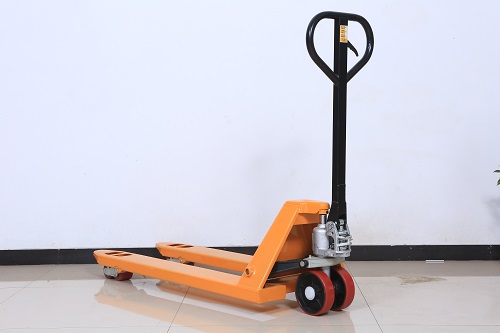
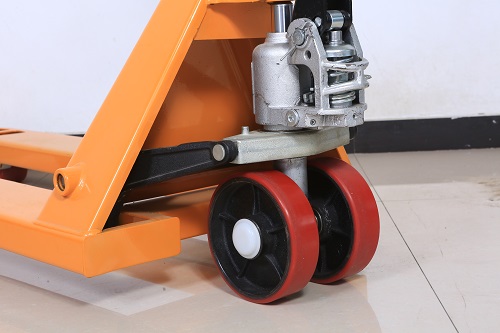
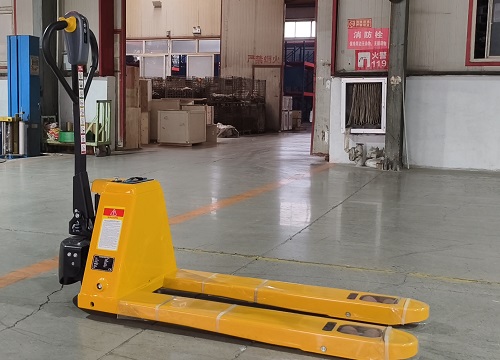
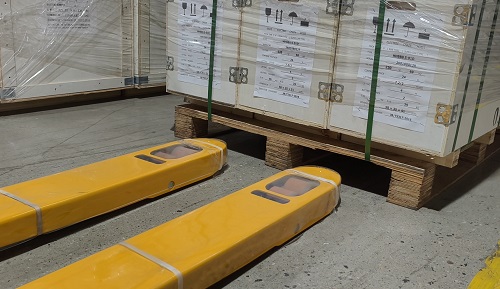
In terms of efficiency and load capacity, manual hand trucks typically have a rated load of 1-3 tons, making them suitable for light loads and small-volume cargo transfers with limited daily operation capacity. Electric hydraulic hand trucks can handle loads of 1.5-5 tons, offering long-lasting endurance and continuous operation on a single charge. Their operational efficiency is 3-5 times that of manual models, making them ideal for heavy loads and high-frequency turnover scenarios, effectively reducing labor costs.
In terms of safety and adaptability, manual hand carts lack automatic braking and are prone to rolling hazards, with steering reliant on human effort, making them cumbersome in narrow passageways. Electric hydraulic carts, equipped with electromagnetic brakes and emergency stop buttons, halt instantly upon release, mitigating safety risks and offering flexible steering, making them suitable for confined workshops, warehouses, and similar environments. Both models utilize high-strength steel, but the electric version features a more robust frame with superior deformation resistance and extended service life.