From lightweight to heavy-duty, the forklift meets all material handling needs across various scenarios
Material handling is a core process in industries such as manufacturing, logistics, and retail. With their wide load capacity range and adaptability to various scenarios, forklifts achieve full coverage from light to heavy loads, making them an indispensable handling tool.
The load-bearing advantage of the forklift is consistent across the entire weight range. Light-duty forklifts can handle loads of 0.5-1 ton, suitable for lightweight tasks such as restocking snacks and beverages in supermarkets or transporting office documents and materials. They are easy to push, offer flexible steering, and can navigate freely through narrow aisles. Forklifts can also support loads of 1-3 tons, meeting daily transportation needs for workshop components and warehouse packages. The sturdy frame and low rolling resistance enhance short-distance transport efficiency. All components of the Yolide forklift are meticulously crafted, including reinforced forks and sealed cylinders... These design features significantly increase the forklift's load capacity and performance.
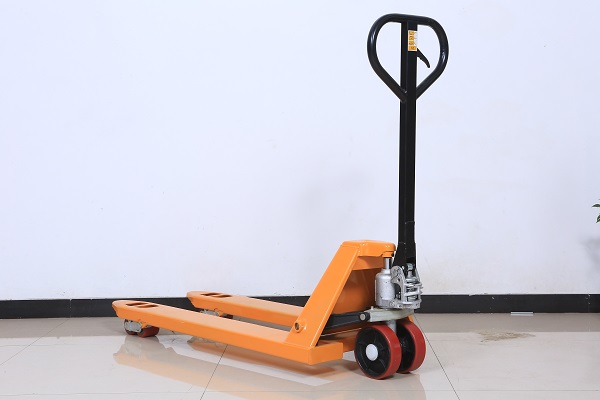
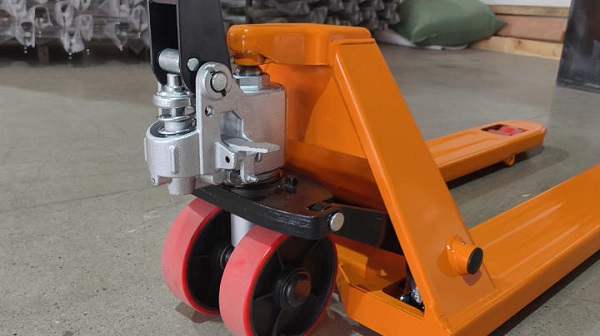
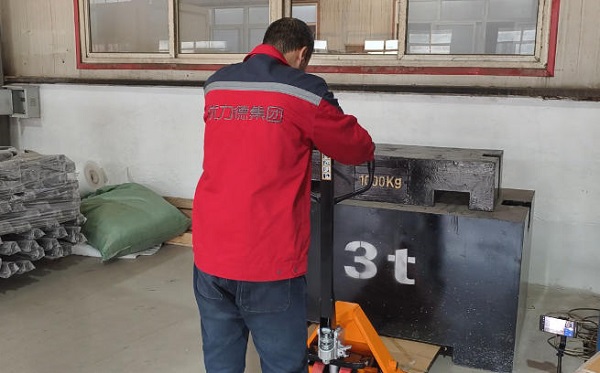
Full-scenario adaptability makes its applications ubiquitous. In logistics and warehousing, from lightweight parcel sorting to heavy-duty cargo stacking, the handling vehicle can work alongside forklifts to complete the "last mile" transportation. In production workshops, from lightweight parts delivery to heavy equipment relocation, different wheels can adapt to various surfaces such as concrete and floor paint;
In supermarket and retail scenarios, from stocking lightweight items to replenishing heavy goods like rice, flour, and oil, the quiet design ensures an undisturbed shopping experience. On construction sites, from tools and materials to short-distance transportation of small building supplies, the wear-resistant and impact-resistant properties of nylon wheels make them suitable for complex terrains.
Whether it's the efficient handling of lightweight items or the stable transportation of heavy loads, the forklift excels with its core advantages of flexibility, load-bearing capacity, and adaptability. It meets the diverse needs of various industries across all scenarios, reducing the labor intensity of manual handling while improving transfer accuracy, making it a practical choice for cost reduction and efficiency enhancement across sectors.