Guide to Avoiding Pitfalls in Crane Clamp Selection: Dont Fall for These 5 Common Misconceptions!
In lifting operations, selecting the right lifting clamp is the foundation for safety and efficiency. However, many procurement and engineering supervisors often fall into the pitfalls of "focusing solely on price" or "blindly choosing tonnage," ultimately leading to safety hazards. Today, we will break down the key points to avoid when selecting lifting clamps, helping you steer clear of the traps of substandard products.
First, don't be lured by "low prices" at the expense of material quality. Inferior lifting clamps often use recycled scrap steel or non-standard thin materials, which may seem cost-effective but lack sufficient strength and deform under load. Always verify the material grade when selecting—prioritize high-strength alloy structural steel, reject non-standard alternatives, and ensure load-bearing stability from the outset.
Secondly, mismatched working conditions equate to hidden hazards. The lifting requirements for steel plates, round steel, and shaped steel are entirely different: flat plate clamps require anti-slip serrated designs, while round steel clamps must have jaws that conform to the curvature. Special environments like high or low temperatures also necessitate specialized weather-resistant materials. Blindly choosing a universal model can easily lead to slipping or detachment issues, so precise matching based on the material being lifted and the working environment is essential.
Third, false tonnage claims are a major issue. Some manufacturers advertise "50-ton clamps" but cannot even support 30 tons in reality. During selection, demand that manufacturers provide tensile test reports, reject unverified tonnage markings, and reserve over 20% safety margin to avoid overload risks.
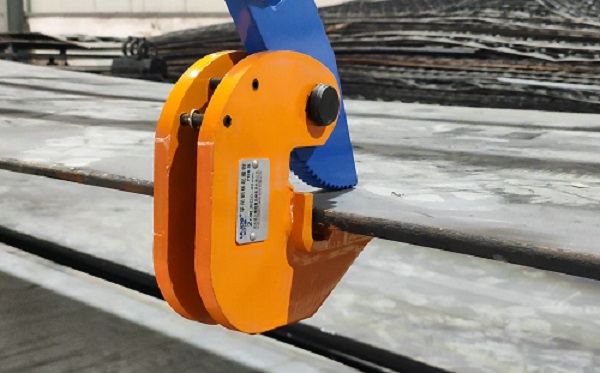
Fourth, overlook structural design details. High-quality ratchets feature optimized anti-slip teeth on the jaws, closing mechanisms, and load-bearing shafts, whereas inferior products omit these designs—such as smooth, toothless jaws or thin closing springs—which pose risks of slipping or breaking. When selecting, inspect the durability of key structural components rather than focusing solely on appearance.
Finally, verify the source factory and quality inspection documentation. Small workshops without proper qualifications produce lifting clamps without processes such as flaw detection or heat treatment, making it impossible to detect internal hidden cracks or uneven stress distribution. When selecting, prioritize factories that can provide quality inspection reports and allow on-site visits to ensure every lifting clamp undergoes rigorous testing.
Selecting a hoisting crane is not about "the cheaper, the better," but rather "the more compatible and secure, the better." Avoiding these pitfalls ensures the choice of truly durable and hassle-free products, safeguarding lifting operations.