Why is there such a big price difference for electric hoists of the same tonnage? Three core cost differences
When purchasing electric hoists, many people are puzzled: why can the prices vary by several thousand or even tens of thousands of yuan for the same tonnage? In fact, the core reason for the price difference lies not in the superficial parameter of "tonnage," but in three overlooked fundamental cost disparities. Understanding these key points helps avoid low-price traps and ensures more efficient selection of high-cost-effective equipment.
The first core difference: quality of core components. For the same tonnage, the quality of key components such as motors, chains, and hooks directly affects the cost. High-quality electric hoists use pure copper motors, which are wear-resistant, durable, and energy-efficient. The chains are made of high-strength alloy steel and undergo carburization and quenching treatment, while the hooks are constructed from Q345-grade steel, offering higher safety factors. In contrast, low-cost products often employ ordinary copper-clad aluminum motors and inferior carbon steel chains, which may reduce costs but pose risks such as motor burnout and chain breakage.
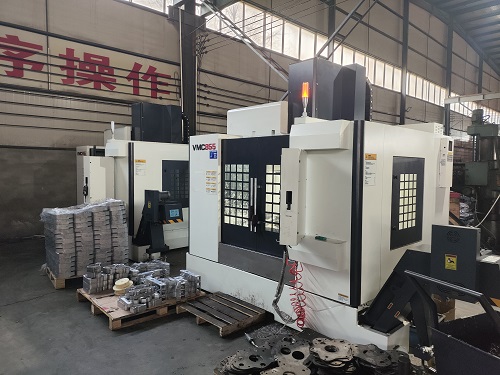
The second core difference: manufacturing processes and equipment investment. Process precision serves as the "hidden driver" of costs. High-end products utilize precision machine tools for gear machining, automated welding processes, and professional heat treatment procedures, ensuring high component fit and stable operation; whereas low-end products often rely on manual welding and rough machining, resulting in significant component deviations, frequent operational stalling, excessive noise, substantially higher maintenance costs, and a significantly reduced lifespan.
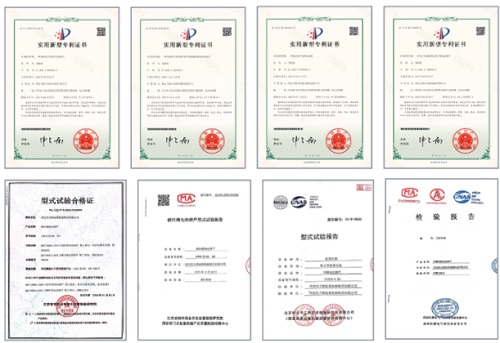
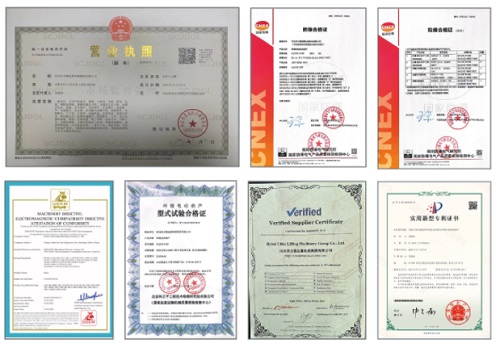
The third core difference: Quality control inspection and compliance costs. High-quality electric hoists must pass industry quality standard tests, with complete inspection reports for each batch, and some require international certifications, with the incurred inspection costs directly reflected in the quotation. In contrast, low-cost products often omit inspection procedures, failing to meet safety standards, lacking certifications and traceability. While appearing cheaper, they may lead to safety incidents due to substandard quality, resulting in hidden losses.
In summary, the price difference for electric hoists of the same tonnage essentially stems from the value disparity in components, manufacturing processes, and quality control. Lower prices often reflect reduced quality in parts and processes, while higher prices correspond to more stable performance and lower long-term costs. When purchasing, it is essential to look beyond the tonnage and focus on the fundamentals to avoid significant losses from cutting corners on cost.