Multiple electric hoists run synchronously to improve your lifting efficiency
In scenarios such as heavy equipment installation, transportation of large components, and bridge construction, a single electric hoist often fails to meet the lifting needs of large and heavy goods - not only is it inefficient, but it is also prone to problems such as uneven force distribution and tilting of goods, seriously affecting the progress and safety of operations. The synchronous operation scheme of multiple electric hoists, through precise collaborative operation mode, thoroughly solves these pain points and provides strong support for efficient lifting.
Synchronization accuracy is the core advantage of collaborative operation of multiple electric hoists. This solution is equipped with a professional synchronous control system, which can achieve precise linkage of 2-8 or even more electric hoists, with lifting and operating speed errors controlled at the millimeter level. Whether it is the horizontal lifting of ultra long components or the smooth lowering of heavy equipment, multiple devices always maintain consistent movements. When multiple electric hoists run synchronously, they can complete the lifting and transportation of heavy and large goods in one go by dispersing the load and coordinating the force.
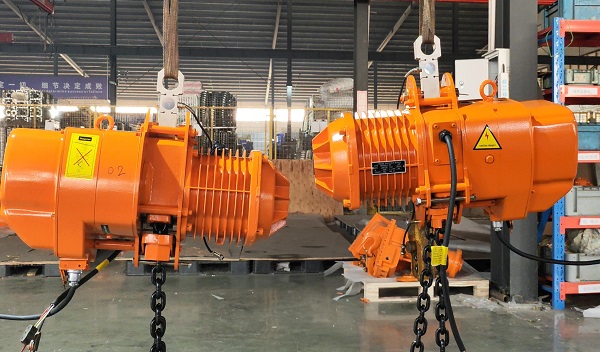
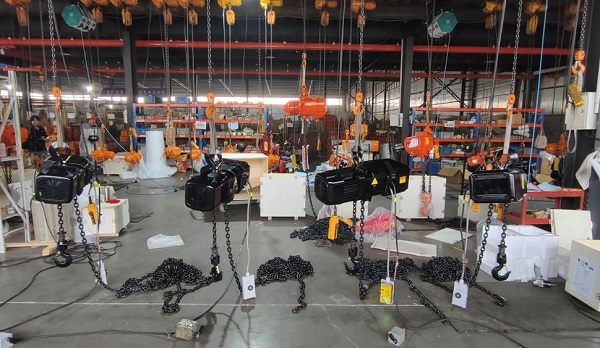
The safety protection system safeguards synchronous operations. High strength load-bearing components and precise braking systems ensure stability during the collaborative process of multiple devices, even in complex working conditions, preventing risks such as cargo slipping and equipment loss of control, and ensuring efficient operations without any worries.
The wide adaptability to various scenarios makes it an "all-in-one solution" for industrial lifting. Through customized equipment combination and control system debugging, it can meet the lifting needs of different tonnages and sizes of goods without the need for frequent equipment replacement or scheme adjustment, realizing the practical value of "one machine adapting to multiple scenarios".
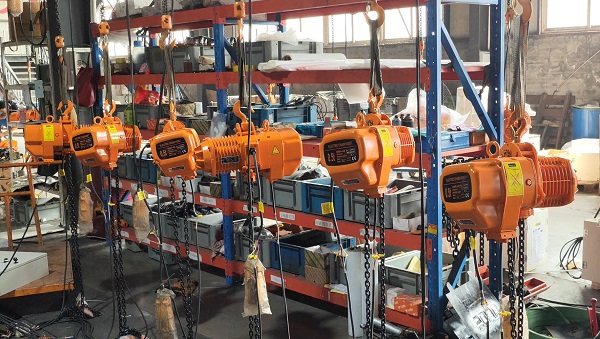
Multiple electric hoists operate synchronously, with the core advantages of precise coordination, high efficiency, labor-saving, safety and stability, solving the limitations of single equipment lifting. Through scientific collaborative design, it saves construction time, reduces costs, and avoids risks for enterprises, becoming the preferred solution for improving efficiency in modern industrial lifting, and helping various heavy operations to proceed smoothly.